
214-376-4441

Can Currency Be Seized Without Criminal Charges at the Border?
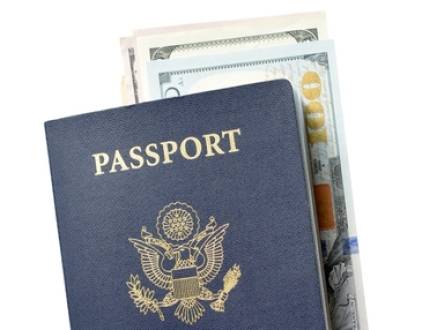 Currency can be seized at the border without any criminal charges being filed against you. Under federal civil asset forfeiture law, the government can take your money based on probable cause and then require you to fight to get it back even if you are never accused of a crime. If this has happened to you in 2026, a San Antonio civil asset forfeiture lawyer at Spencer & Associates can help you fight to get your money back.
How Does Civil Asset Forfeiture Work at the Border?
Civil asset forfeiture lets the government take property it believes is connected to illegal activity. The keyword is civil. This is not a criminal case, which means the government does not have to charge you with a crime or prove you did anything wrong to keep your money. The process can feel one-sided because you must actively challenge the seizure, but under federal law, the government still has to prove that the money is connected to illegal activity.
At the border, Customs and Border Protection agents can seize currency if they believe it is tied to drug trafficking, money laundering, or other illegal activity, or simply if you did not declare it as required. The seizure happens fast, and getting your money back can take months or longer without legal help.
What Is the $10,000 Border Declaration Rule?
Federal law under 31 U.S.C. § 5316 requires anyone entering or leaving the United States to file a report with CBP if they are carrying more than $10,000 in currency or monetary instruments. This includes cash, traveler's checks, money orders, and certain other financial instruments. The $10,000 limit applies to the total amount being carried, not just what is in one pocket or bag.
Failing to declare is itself a federal reporting violation and can lead to seizure, even if no criminal charges are filed. It gives agents the legal ground to seize the money on the spot. It does not matter if the money was legally earned. The failure to report is enough to trigger a seizure.
Can Cash Be Seized at the Border Even if You Declared It?
Declaring your currency is required, but it does not guarantee that agents will not take it anyway. If agents think the money looks suspicious based on other factors, they can still seize it even after you properly declared it.
Things that can raise suspicion include:
-
The way the money is packaged or bundled
-
The total amount being carried
-
Your travel history or destination
-
Inconsistent answers given during questioning
-
Prior criminal history
A declaration avoids the automatic legal violation for not reporting, but it does not protect the money if agents decide something looks off.
What Happens After Your Money Is Seized at the Border?
After a seizure, CBP will send you a notice explaining what was taken and what your options are. You have a limited amount of time to respond, and missing that deadline can mean the government keeps the money permanently without ever going to court. Your main options are filing an administrative claim with CBP, which keeps the fight within the agency, or filing a claim in federal court, which forces the government to justify the seizure in front of a judge.
Under 18 U.S.C. § 983, the Civil Asset Forfeiture Reform Act gives property owners the right to challenge a federal forfeiture in court and requires the government to follow specific rules when doing so. Acting fast and knowing your rights is critical.
How Can You Get Your Money Back After It Is Seized at the Border?
You can get your money back, but it takes effort and usually legal help. The government counts on many people giving up rather than fighting. If you can show the money was legally earned and had no connection to criminal activity, you have a real shot at getting it returned. Useful documents include pay stubs, tax returns, bank records, and anything that shows the legitimate reason you were carrying the cash.
Schedule a Free Consultation With Our Bexar County, TX Cash Seizure Attorney
Fighting back against the federal government is not something you should try to do alone. The San Antonio civil asset forfeiture lawyer at Spencer & Associates brings more than 30 years of legal experience to these cases and is a strong trial lawyer and litigator who knows how to take on the government and fight hard for what belongs to his clients. Call 214-376-4441 to schedule your free consultation and find out how we can help.


From our office in Dallas, we provide representation for clients in Dallas County, Tarrant County, across the state of Texas, and nationwide. We serve clients in Houston, Arlington, Irving, Grand Prairie, Euless, Aledo, Mansfield, North Richland Hills, University Park, Highland Park, Richardson, Addison, Carrollton, Farmers Branch, Bedford, Hurst, River Oaks, White Settlement, Haltom City, Forest Hill, El Paso, Lubbock, Odessa, and Laredo.
Results listed are not a guarantee or indication of future case results.
4849 Greenville Avenue, Suite 1380, Dallas, TX 75206
214-376-4441

Contact Our Firm
 The use of the Internet or this form for communication with the firm or any individual member of the firm does not establish an attorney-client relationship. Confidential or time-sensitive information should not be sent through this form.
I have read and understand the Disclaimer and Privacy Policy.